
Choosing to become a living kidney donor is one of the most meaningful gifts you can give. A single donation can save a life and give someone the opportunity to live longer, healthier, and more fully.
More than 90,000 people in the United States are waiting for a kidney transplant. Yet each year, far fewer deceased donor kidneys become available than are needed, leaving thousands of people waiting for a second chance. Tragically, more than 4,000 people die each year before receiving the transplant they need.
Living kidney donation can help close this gap. In addition to reducing wait times, kidneys from living donors often function sooner and last longer than those from deceased donors, giving recipients the best possible chance for a longer, healthier life, longer, healthier life, with little impact to the donor. Most of us have two kidneys and can live a normal life with one.
One decision can change two lives—yours and the life of the person you help. Consider becoming a living kidney donor today.
LIVING KIDNEY DONORS SAVE LIVES
LIVING DONATION IN WHATCOM COUNTY
In Whatcom County, when you need a kidney, YOU ASK and WE HELP!
Inspired by the vision of retired nephrologist and longtime Mount Baker Foundation volunteer Dr. Bill Lombard, the Whatcom County Moonshot is a community initiative focused on ending the local kidney transplant waiting list. By increasing the number of living kidney donors, the community can help provide faster access to transplantation while improving long-term outcomes for recipients. Living donor kidneys often function sooner, last longer, and offer recipients the opportunity to return to healthier, more active lives. Read more about the moonshot goal here!
Mount Baker Foundation’s Kidney Health Awareness Workgroup works with local individuals on the kidney transplant waitlist to help publicize their stories and search for a living kidney donor.
Need a kidney and want help sharing your story?
email kate@mtbakerfoundation.org
Current Kidney Asks
If you are interested in donating a kidney, you can learn how to do so below or reach out to support@mtbakerfoundation.org
One in a Million
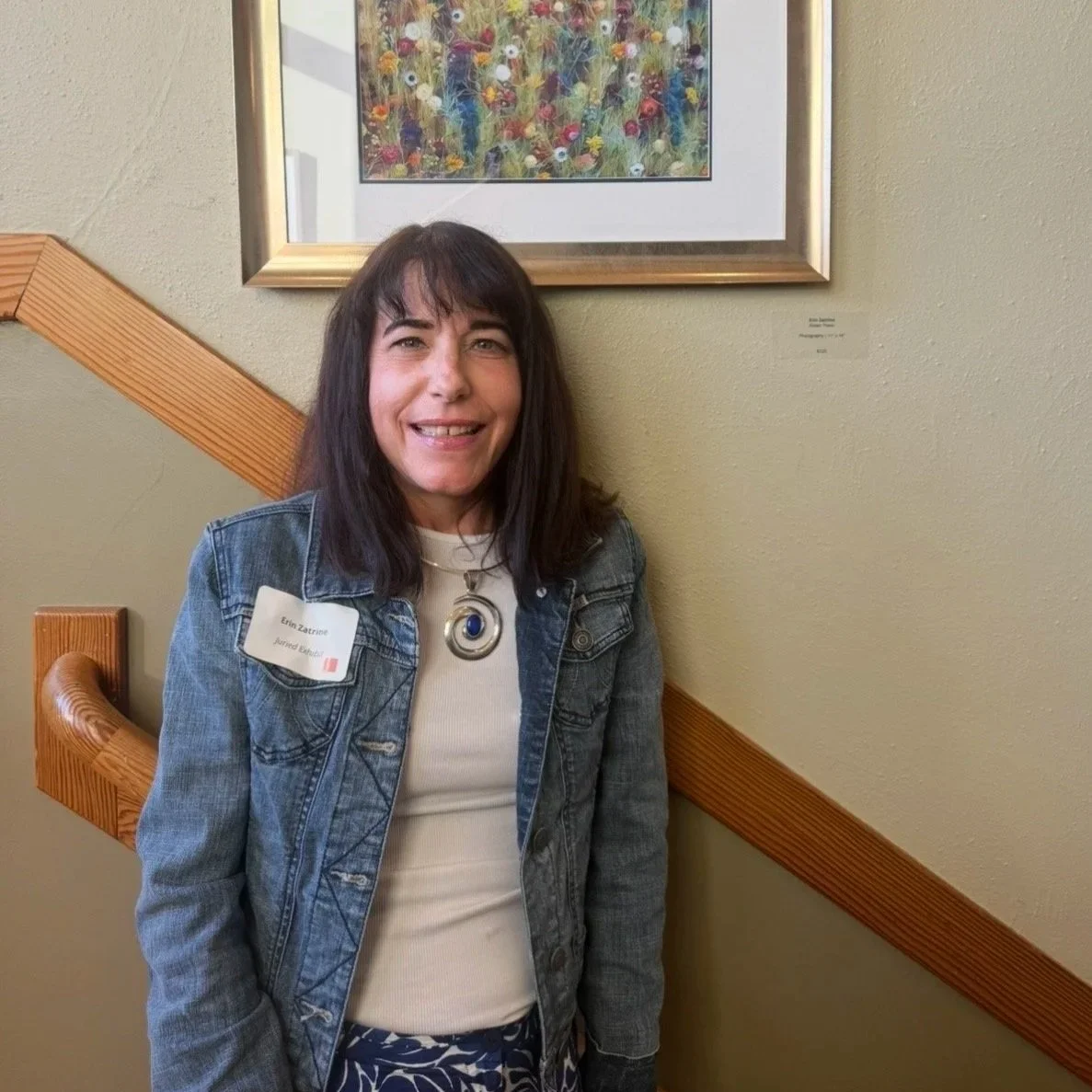
Erin Zatrine’s resilient journey and hope for a living kidney donor.
Inspiring Gifters
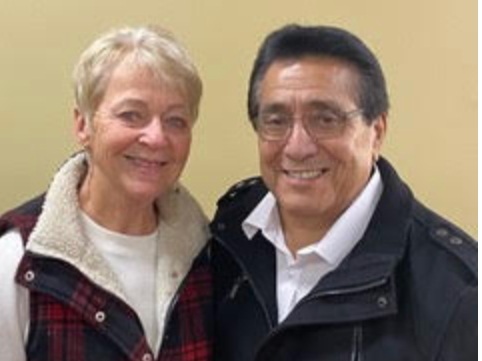
Carol Ransom
More than 4 decades ago, Carol Ransom hooked up the first patient to dialysis in Whatcom County. She donated her kidney to a stranger and received a “voucher” to give to someone in Whatcom County. Read more here.
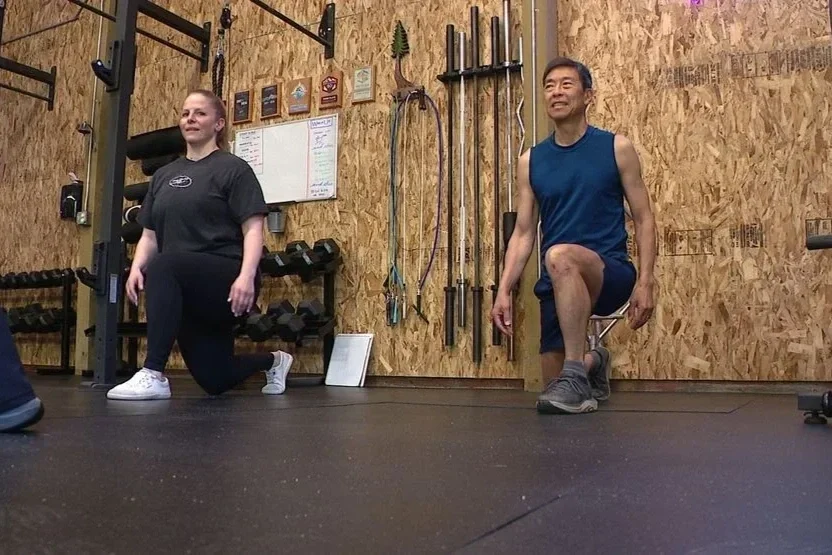
Chao-ying Wu
Dr. Wu’s donated kidney ultimately went to a recipient in Florida through the National Kidney Registry, but he was still able to help someone closer to home using the voucher program. Read more here.
Helene Fellows
After donating a kidney to save her husband’s life, Helene turned her experience into a mission to educate and inspire others about the life-changing impact of living kidney donation. Her story highlights how one selfless act can create hope for countless families.
BECOME A LIVING KIDNEY DONOR
This surprises most people: you do NOT have to be a match to become a living kidney donor.
Today, transplant programs have several ways to make living donation possible, even when a donor and recipient aren't compatible.
How to Become a Donor:
Contact the transplant center where the person your might donate to is being evaluated. Or, if you do not know, contact the National Kidney Registry for detailed help.
Complete a confidential medical evaluation to determine whether living donation is a safe option for you.
Donate your kidney.
Types of Kidney Donation
Washington Based Transplant Centers
University of Washington Medicine
Phone: 206-598-3882 (Pretransplant kidney line)
Address: UW Medical Center Montlake, 1959 NE Pacific St., Seattle, WA 98195
Donor Process: Potential donors are asked to complete a potential living kidney donor screening form on their website for follow-up by an Independent Donor Advocate
Virginia Mason Franciscan Health
Phone: 206-341-0925 (Transplant Center)
Address: 1100 9th Ave. Seattle, WA 98101
Donor Process: Interested donors can start the process by completing a confidential Health History Questionnaire available on their Living Organ Donation webpage.
Phone: 1-800-996-7426 or 206-386-3660
Address: 1124 Columbia St, Suite 600, Seattle, WA 98104
-
You donate your kidney directly to someone you know—a family member, friend, coworker, or loved one.
-
Not a match? That's okay.
If you're incompatible with the person you want to help, you can donate to another recipient while their compatible donor gives a kidney to your loved one. Everyone receives a compatible kidney through the exchange.
Learn more about Paired Kidney Donation
-
A voucher allows you to donate your kidney now—even if your intended recipient isn't the best match or isn't ready for transplant yet.
Your donation provides a voucher that can help your loved one receive a compatible living donor kidney when they need it. Voucher programs can also be used to protect family members who may need a kidney in the future.
FAQs about Kidney Donation:
Can I live a normal life with one kidney?
Absolutely! Most living kidney donors go on to live healthy, active lives with one kidney.Do I have to be a match to donate?
No! If you're not a match, you may still be able to help through a paired kidney exchange or a voucher donation.Who can become a living kidney donor?
Most healthy adults can begin the evaluation process. A transplant center will determine if donation is safe for you.Will donating cost me money?
The recipient's insurance typically covers the donor's medical evaluation, surgery, and follow-up care. Financial assistance is available for travel and other expenses, if needed. Learn more here.How long does recovery take?
Most donors spend one or two nights in the hospital and return to many normal activities within 4–6 weeks, depending on their recovery and type of work.Will donating affect my long-term health?
Living kidney donors are carefully screened, and research shows that most donors continue to live long, healthy lives after donation.Can I donate to someone I don't know?
Yes. Some people choose to make a non-directed (altruistic) donation, helping a stranger and often starting a chain of life-saving transplants.How do I get started?
The first step is to contact a transplant center or complete a donor interest form. You'll receive information about the evaluation process and have the opportunity to ask questions before making any decisions.