KIDNEY HEALTH AWARENESS
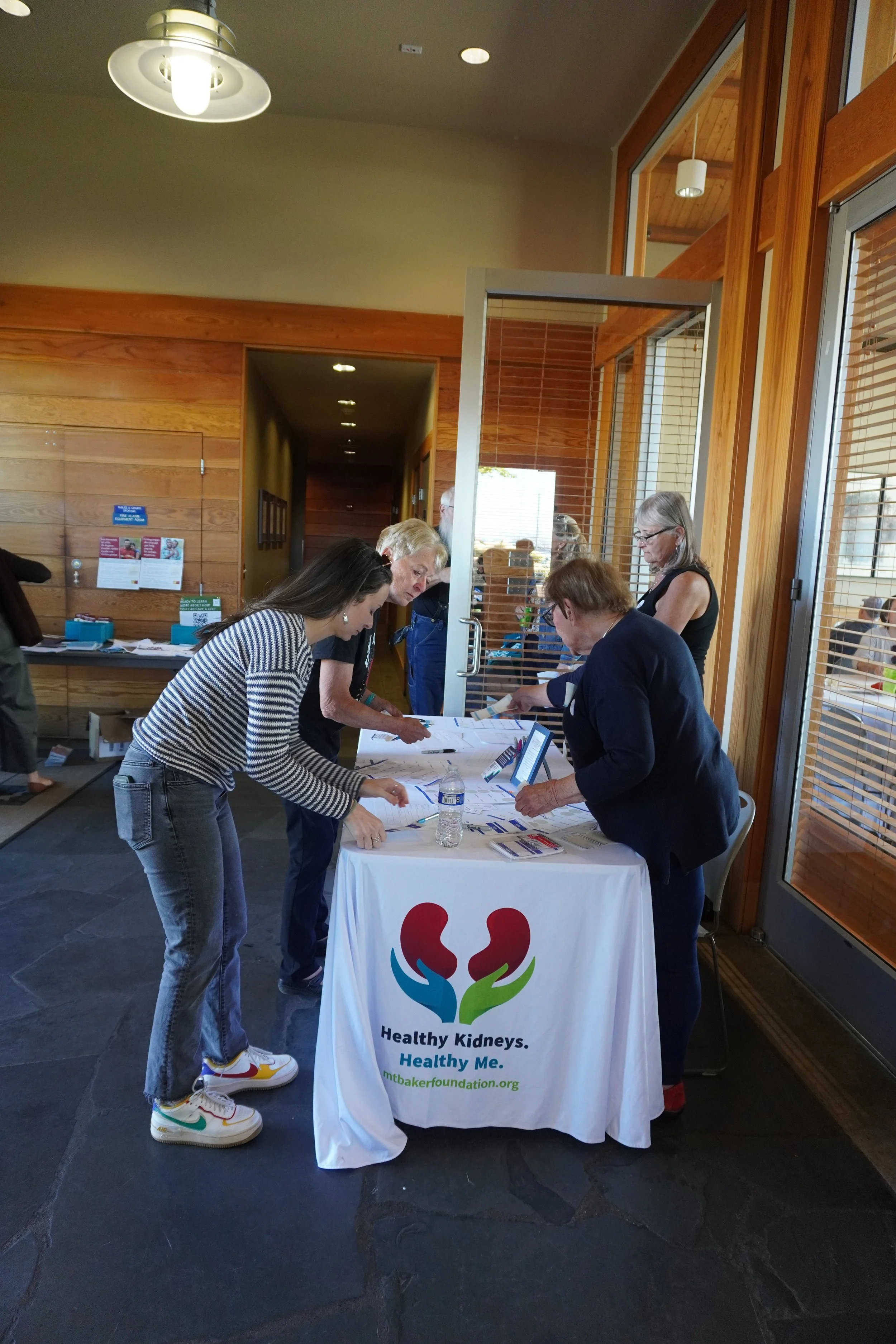
The Kidney Health Awareness Group (KHAG) is an initiative of the Mount Baker Foundation dedicated to improving kidney health through education, advocacy, and community partnership.
GET INVOLVED
Kidney Heath Awareness Group
The Kidney Health Awareness Group (KHAG) is an workgroup of the Mount Baker Foundation dedicated to improving kidney health through education, advocacy, and community partnership.
We work to prevent chronic kidney disease and diabetes by increasing public awareness, promoting early detection, and supporting equitable access to care and transplant resources. KHAG is spearheading the Living Kidney Donor’s Moonshot goal to eliminate the kidney transplant waitlist in Whatcom County by 2030! Learn more about Living Kidney Donation here.
Grounded in equity, KHAG collaborates with local clinics, providers, and community organizations to share culturally relevant information and strengthen connections to care. Together, we aim to build healthier communities and ensure everyone has the opportunity to thrive.
Interested in getting involved? Email kate@mtbakerfoundation.org
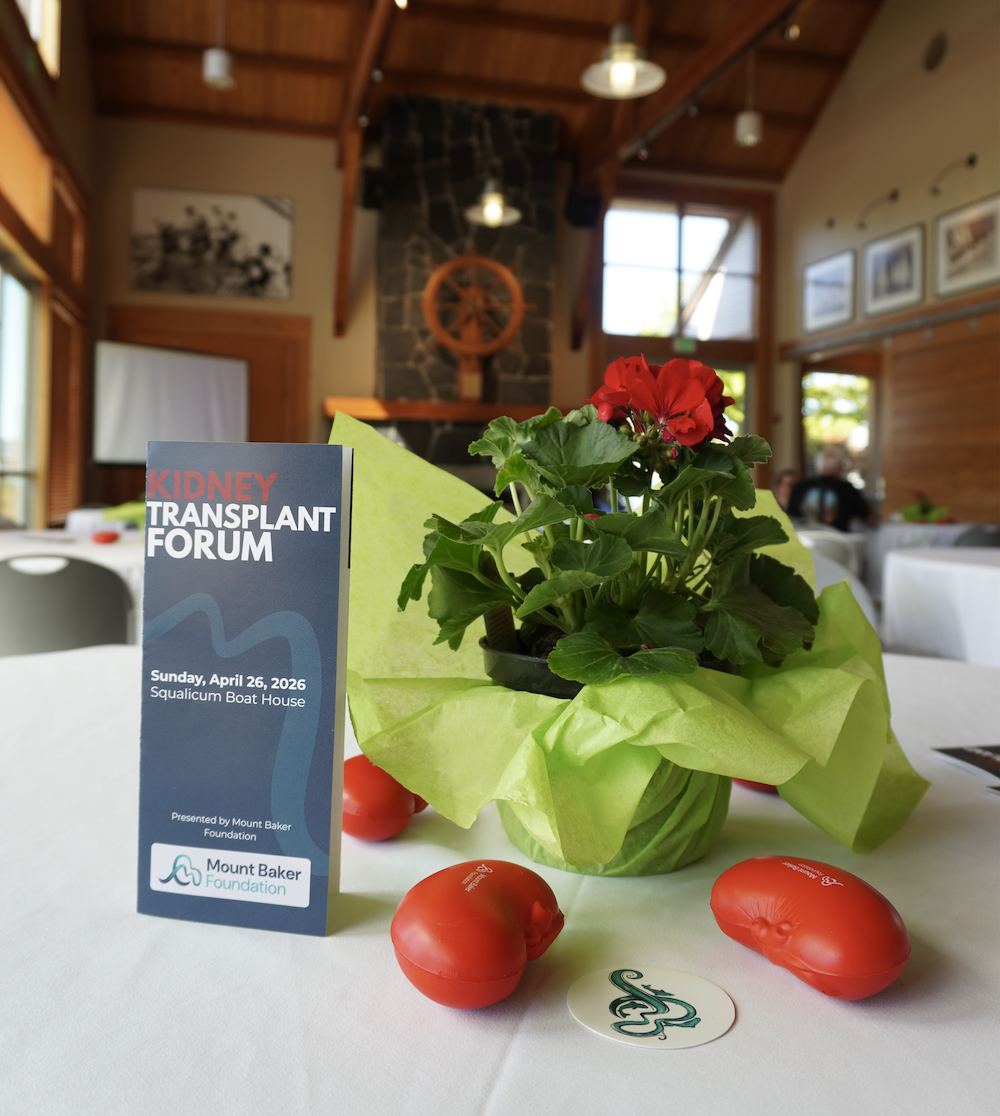

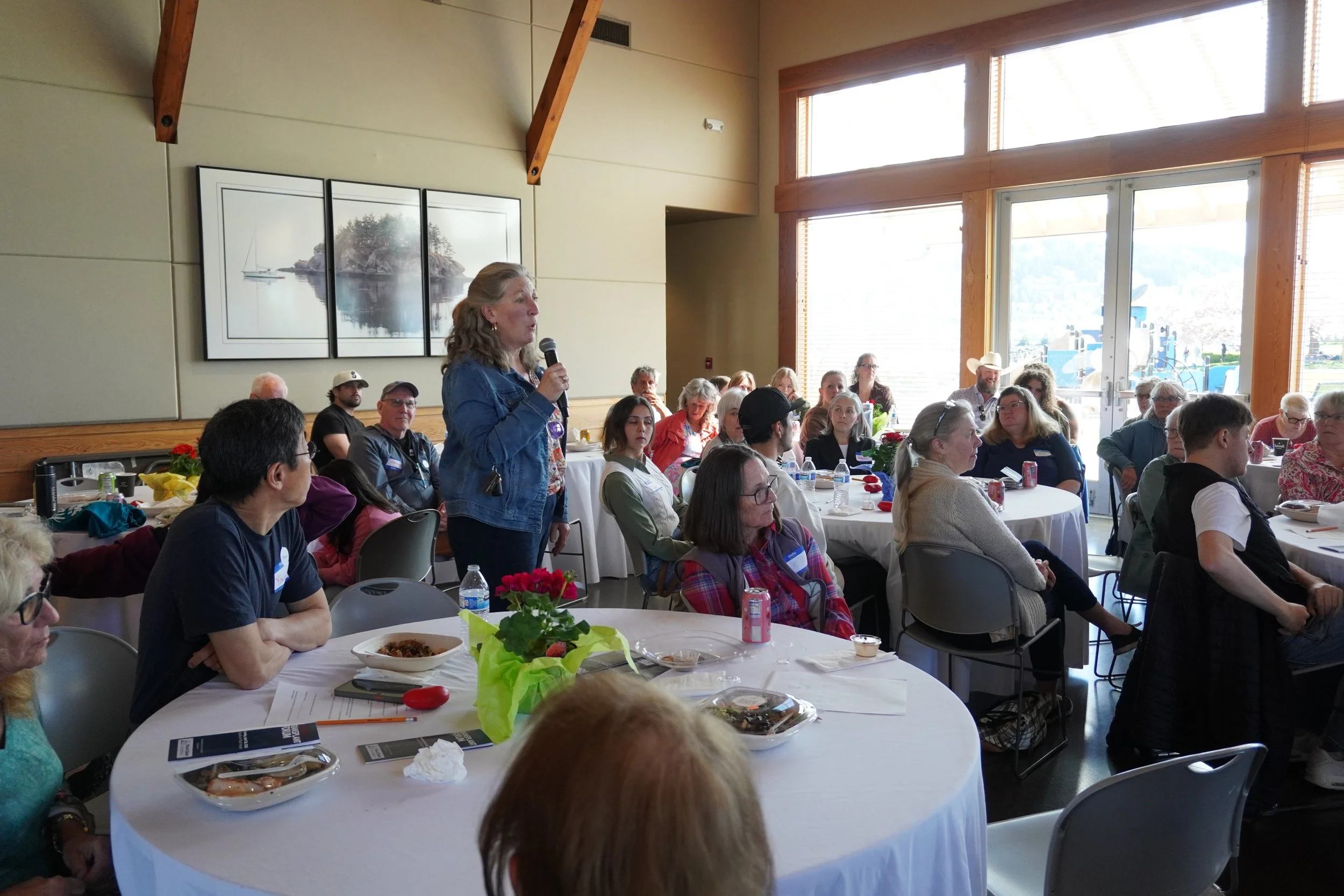
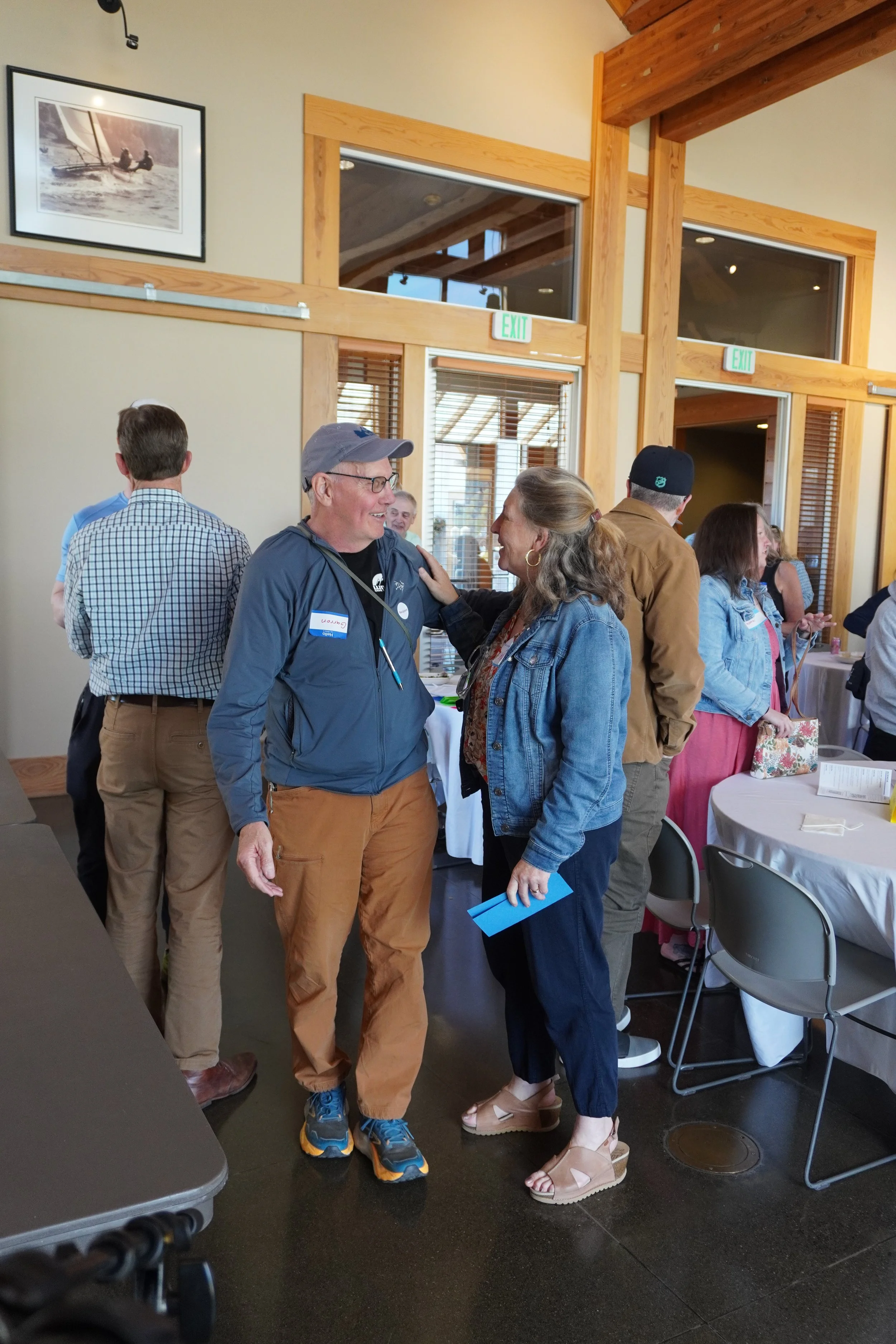
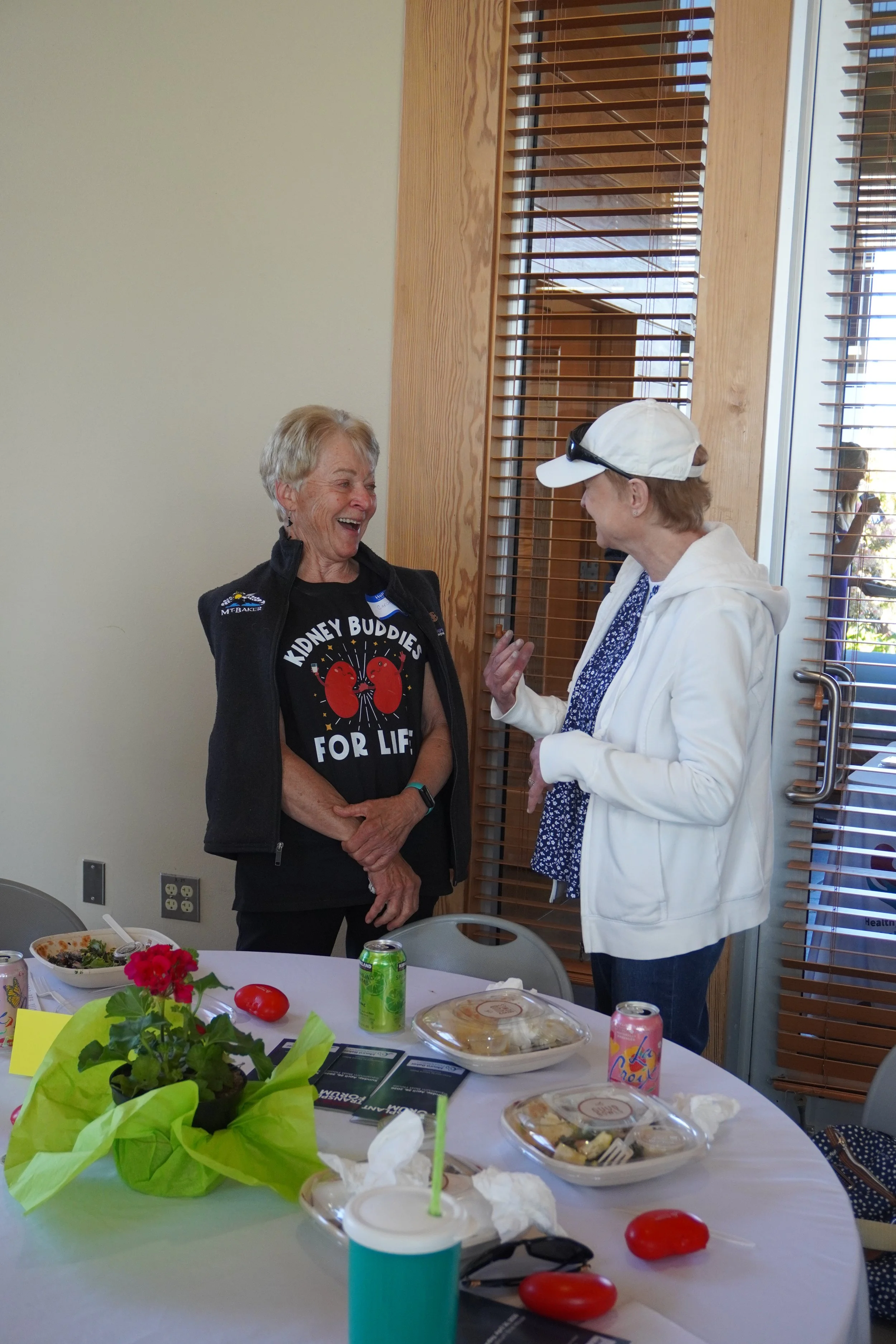

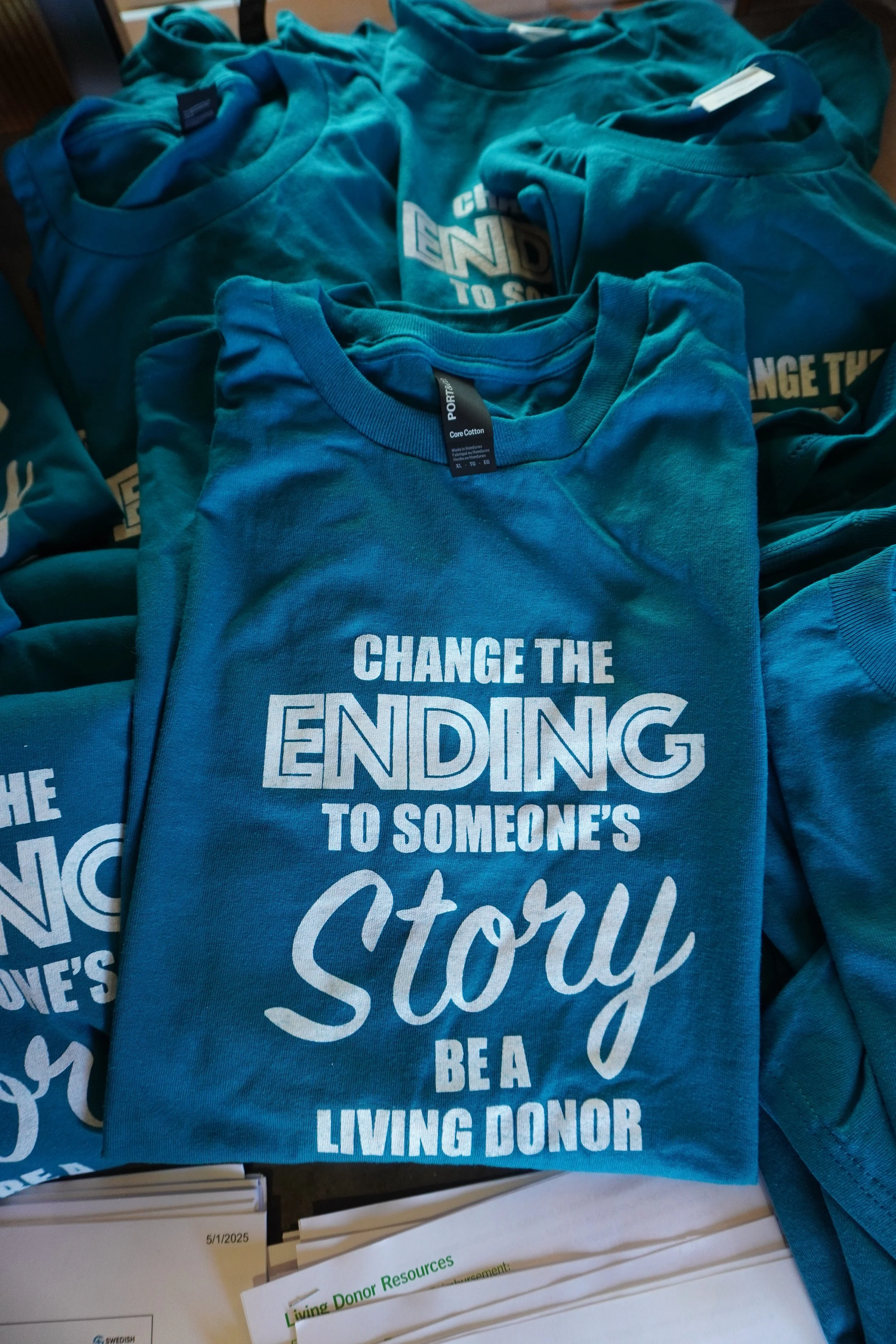
GET INVOLVED
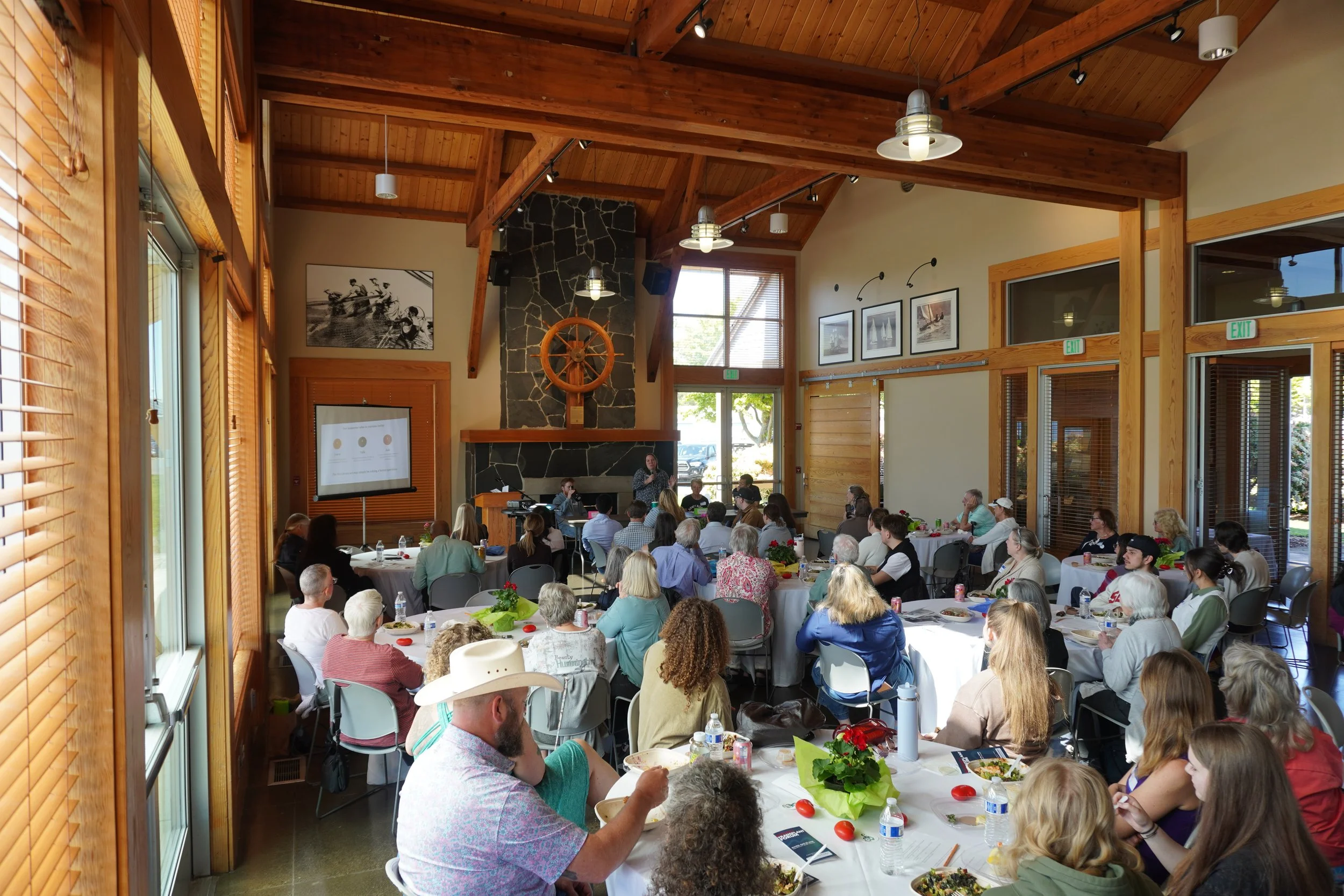
Kidney Konnections
Are you a kidney patient or caregiver looking for support, connection, and understanding?
The Kidney Konnection is a peer support group offering an opportunity to connect with others who understand. Join for support, encouragement, and practical tips from others in similar situations.
WE MEET
The 4th Wednesday of the month
6-7 pm via Zoom and occasionally in person
GET INFORMED
Email kate@mtbakerfoundation.org to get more information and receive the Zoom link.
EDUCATION
Kidney Disease Prevention
Kidney disease affects millions of Americans, many without even realizing they have it!
Stay informed and take proactive steps to protect your kidney health. Anyone can develop CKD - at any age. However, some people are at a higher risk than others.
Genetics as well as many physical, environmental, and social factors can also contribute to risk.
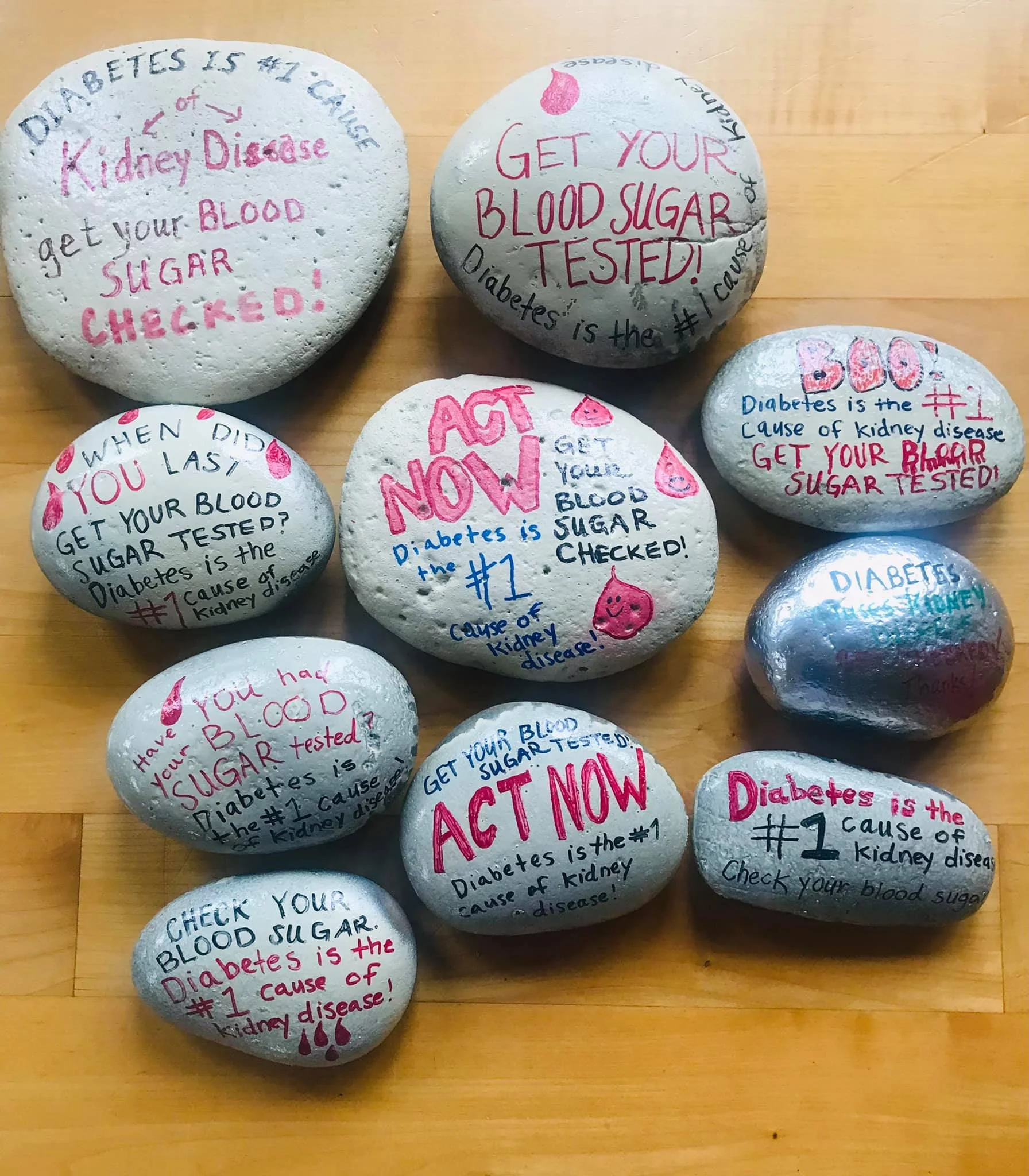
The most common Chronic Kidney Disease risk factors are:
Heart disease and/or heart failure
Obesity
Over the age of 60
Family history of CKD or kidney failure
Personal history of acute kidney injury (AKI)
Stay up to date on the most recent news using the CDC’s Kidney Disease Surveillance System
How can you make a difference in your risk?
-
Manage your Blood Glucose
-
Control your Blood Pressure

-
Eat more Plant-Based Proteins
-
Get regular Checkups
(including kidney function tests if you are at risk)
-
Hydrate appropriately
-
Be careful with Pain medicine (NSAIDS)